From Automobiles to Machine Tools: 10 Classic Industrial Applications of Universal Joints
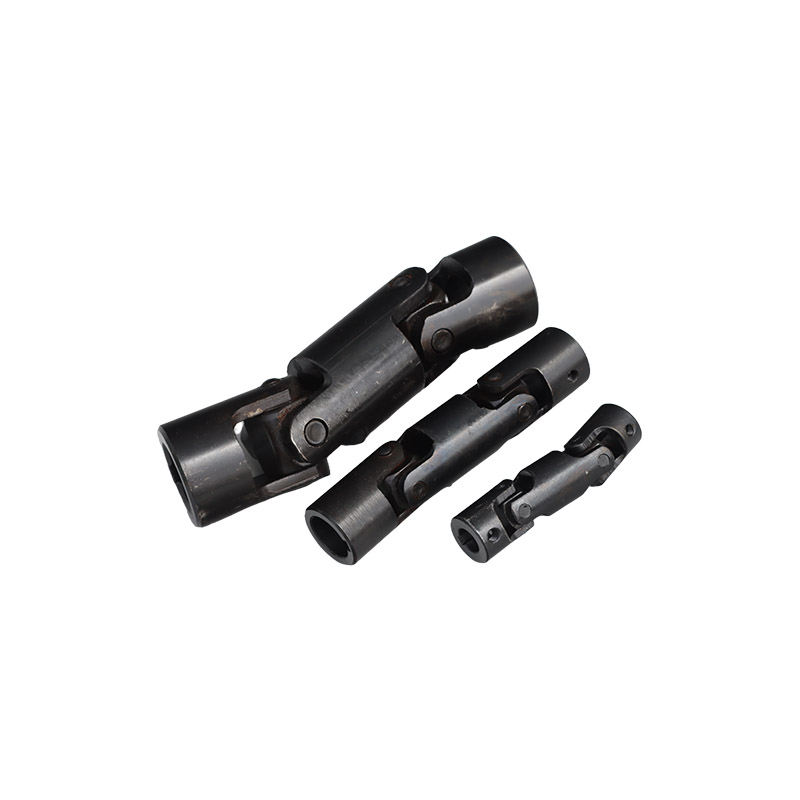
Most industry professionals only associate universal joints with automotive drive shafts. In reality, high-quality industrial universal joints cover an extremely wide range of scenarios, from miniature precision testing equipment to CNC machine tools, metallurgical rolling mills, and mining heavy machinery. This article explores 10 classic industrial applications of universal joints, explaining the applicable working conditions, functional advantages, and core values of different universal joint types to help equipment engineers and buyers understand professional selection and application logic.
1. How Do Universal Joints Work? Core Working Principles
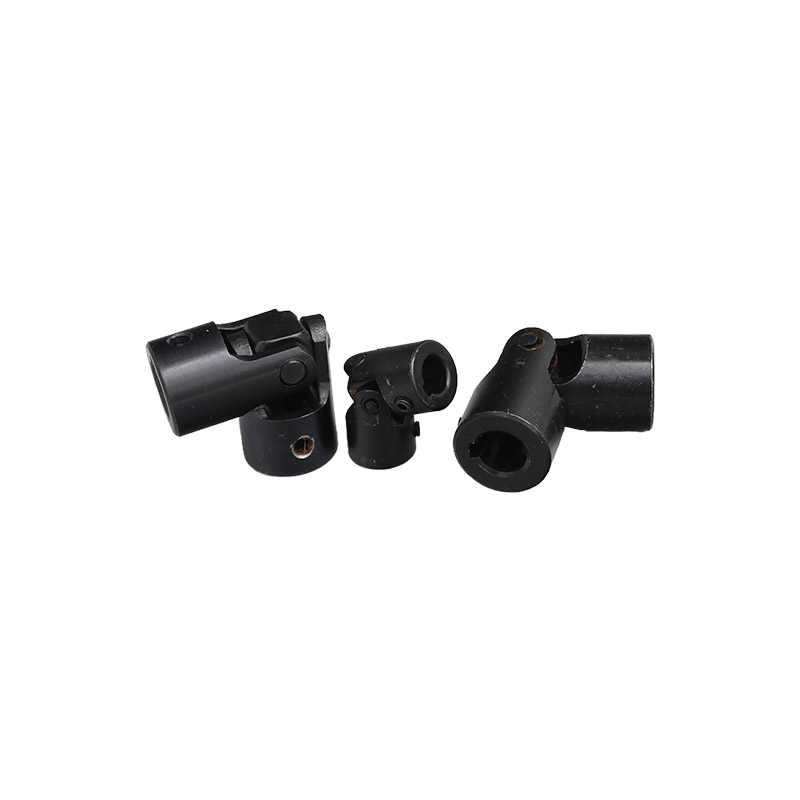
Professionally defined, a universal joint is a flexible transmission connector that adaptively accommodates shaft angle deflection, radial offset, and axial displacement. Its primary function is to transmit torque and power continuously, stably, and efficiently under imperfect operating conditions, including assembly misalignment, dynamic operational displacement, and fluctuating loads. It compensates for the inherent weaknesses of rigid couplings and serves as a core component in modern flexible transmission systems.
Compared with traditional rigid transmission parts, industrial universal joints offer three irreplaceable advantages that enable their universal industry adaptability:
- Dynamic Angular Compensation: Automatically adapts to dynamic shaft deflection and coaxiality errors during operation, tolerates minor positional deviations, and prevents transmission jitter and power loss.
- Efficient Vibration Damping: Absorbs impact and vibration caused by equipment startup, shutdown, and load switching, protecting core precision components such as motors, spindles, and reducers and reducing mechanical wear.
- Full-condition Adaptability: A complete range of specifications covers all industrial transmission scenarios. Miniature universal joints suit low-torque precision applications, while heavy-duty models withstand ultra-high torque for heavy-load operations.
With these superior features, universal joints have broken free from single-scenario automotive applications and become standard general-purpose transmission components for modern manufacturing, heavy engineering, and automated equipment.
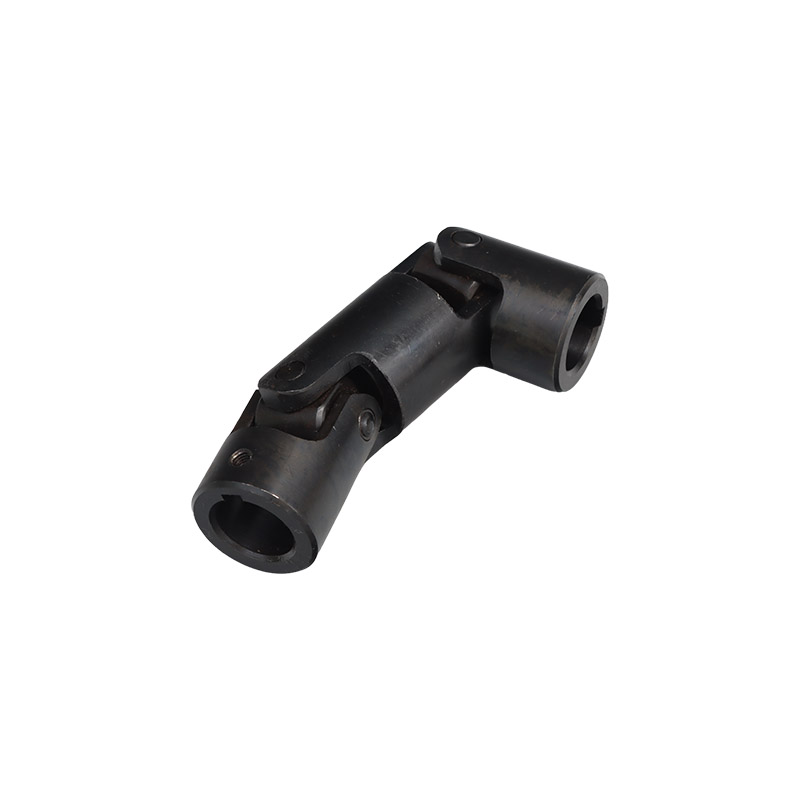
2. 10 Classic Industrial Applications of Universal Joints
1. Automotive Transmission Systems (Basic Civil Industrial Scenario)
Automotive transmission is the most classic and widespread application of universal joints and forms the core of vehicle power systems. Different universal joint structures match distinct vehicle types and working conditions. Rear-wheel-drive vehicles adopt cross universal joints to connect the gearbox and rear axle, adapting to shaft offset caused by road bumps and suspension deformation to ensure stable driving power. Front-wheel-drive passenger cars use constant-velocity ball cage universal joints installed on wheel half-shafts, enabling loss-free constant-velocity power transmission during steering, bumpy driving, and speed switching while eliminating steering lag and jitter.
Beyond core transmission systems, small precision universal joints are widely applied in auxiliary automotive mechanisms, including air conditioning compressors, wiper linkages, and power seat adjusters. Their flexible small-angle transmission ensures smooth and accurate operation of auxiliary components, improving overall vehicle functionality and comfort.
2. CNC Machine Tool Spindle Transmission (Precision Manufacturing Core)
High-end equipment such as precision CNC machines, machining centers, and engraving mills demand extreme transmission accuracy, stability, and low vibration. Precision flexible universal joints serve as key spindle transmission components. Absolute coaxial alignment between motors and spindles is impossible during assembly, and high-speed operation inevitably generates micro-vibration and displacement. High-precision universal joints accurately compensate for coaxial errors, buffer high-speed micro-vibration, and correct transmission deviation.
This configuration fundamentally eliminates common machining defects such as tool marks, vibration lines, and dimensional errors, significantly improving the qualification rate and surface finish of hardware, mold, and precision parts. It is an essential component for guaranteeing high-precision CNC machining quality.
3. Industrial Robot and Robotic Arm Joints (Automation Core)
The multi-dimensional flexible movement of multi-degree-of-freedom robotic arms and collaborative robots on automated production lines relies heavily on the flexible transmission capability of micro high-precision universal joints. Unlike rigid drive shafts limited to linear fixed transmission, universal joints support multi-angle power delivery, enabling unrestricted and highly flexible movement for rotation, pitching, folding, and telescoping robotic actions.
In high-frequency automated operations including material picking, precision component assembly, robotic welding, and sorting, universal joints ensure smooth movement and precise positioning. They also buffer mechanical fatigue and impact caused by repeated reciprocating motion, reducing equipment wear and extending service life, making them foundational components for flexible automated production lines.
4. Metallurgical Rolling Mill Heavy-Duty Transmission (High-temperature Heavy-load Scenario)
Steel and aluminum rolling equipment operates continuously under extreme industrial conditions featuring high temperatures, heavy loads, and intense impact. During operation, rolling rollers adjust vertically in real time according to plate thickness and rolling processes, causing continuous shaft angular and positional deviation.Heavy-duty cross universal joints are specially designed for metallurgical rolling mills, offering ultra-high torque capacity and excellent dynamic angular compensation.
They stably connect rolling mill transmissions and main rollers, dynamically compensate for shaft misalignment, and buffer instantaneous impact loads during rolling. This effectively prevents shaft jamming, power interruption, and component fracture, supporting 24-hour uninterrupted operation and meeting the high-intensity production demands of heavy metallurgical industries.
5. Mining Crushing and Excavation Equipment (Harsh Condition Adaptation)
Mining environments feature heavy dust, severe mechanical vibration, and drastic load fluctuations. Heavy-duty universal joints are mandatory for power transmission systems of ore crushers, mining excavators, and underground conveying equipment. Abrupt load changes and violent body vibration during mining operations cause continuous drive shaft offset; rigid connections easily lead to shaft fracture, rapid wear, and power failure.
Specialized heavy-duty mining universal joints withstand extreme impact torque, adapt to dynamic equipment displacement, and isolate severe vibration to protect motors, reducers, and main shafts. They significantly reduce failure rates and downtime, perfectly adapting to harsh operating conditions in open-pit mines and quarries.
6. Assembly Line Conveyor Equipment (Light Industrial General Scenario)
Medium and small-sized precision universal joints are widely used in light industry production lines covering electronics, food, daily chemicals, and warehousing logistics. Modular segmented production lines make absolute coaxial alignment of conveyor rollers impossible. Long-term continuous operation also causes frame deformation, component wear, and assembly offset, easily resulting in uneven power transmission.
Conveyor universal joints flexibly compensate for positional and angular deviations at each transmission node, ensuring synchronous roller rotation and stable line operation while eliminating material jamming, conveying deviation, and power imbalance. Featuring simple structure, easy installation, and low maintenance costs, they perfectly suit long-duration, high-frequency stable operation requirements of light industrial equipment.
7. Lifting and Elevating Equipment (Vertical Transmission Scenario)
Industrial universal joints are standard components for the rotary and power transmission mechanisms of tower cranes, hydraulic elevators, lifting platforms, and truck-mounted cranes. Lifting operations generate multi-angle transmission deviation and instantaneous extreme impact loads during boom rotation, load lifting, and equipment startup/shutdown, requiring exceptional transmission stability and safety.
Specialized lifting universal joints adapt to multi-angle rotary transmission requirements, buffer impact vibration during load lifting and equipment switching, and deliver consistent, continuous, and stable power. They eliminate safety hazards such as mechanical jitter and power stalling during lifting, greatly improving operational stability and safety coefficients.
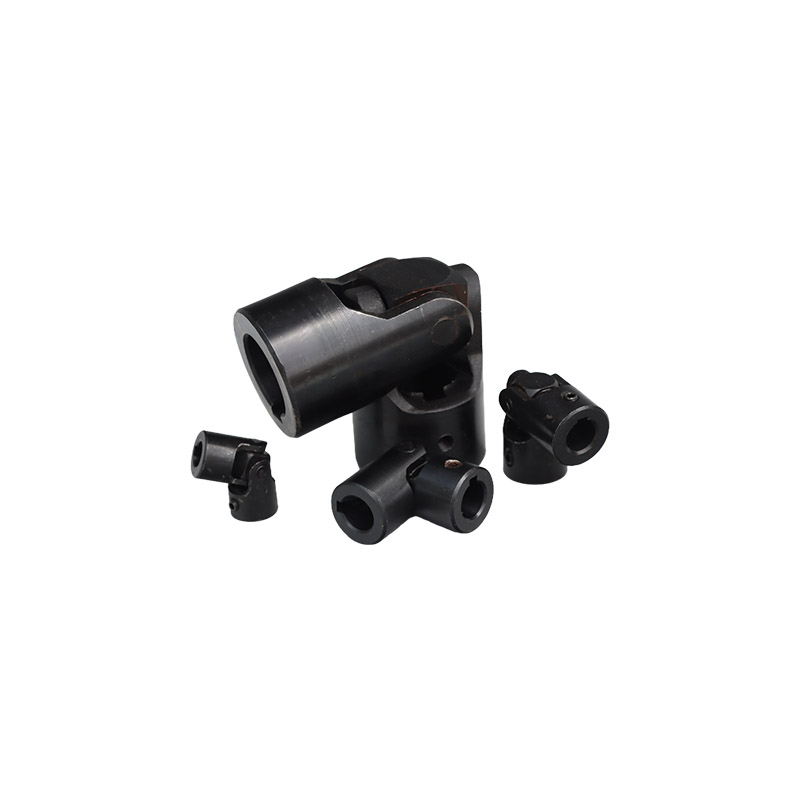
8. Construction Machinery Transmission Systems (General Heavy-duty Engineering)
Construction machinery including excavators, loaders, bulldozers, and road rollers works in complex and variable site conditions. Road bumpiness, sudden load changes, and body deformation frequently cause drive shaft misalignment. Universal joints are extensively applied in the walking transmission, rotary transmission, and hydraulic auxiliary transmission systems of construction equipment.
Whether enduring continuous shaft offset during off-road travel or instantaneous high torque impact during heavy-load operation, construction machinery universal joints provide accurate dynamic compensation and stable high-torque power transmission. They support sustained and efficient operation in complex construction environments and significantly enhance equipment adaptability and durability.
9. Precision Testing and Instrumentation Equipment (Micro-torque Precision Transmission)
Precision testing instruments, automated test equipment, micro-processing devices, and sensor calibration systems do not require high torque output but demand extreme transmission accuracy, silent operation, zero backlash, and low vibration. Micro silent universal joints are standard configurations for such precision equipment.
High-precision miniature universal joints feature zero transmission backlash, accurate angular compensation, ultra-silent operation, and minimal vibration. They deliver smooth and precise micro power transmission, avoiding test data deviation and machining inaccuracy caused by transmission errors and fully guaranteeing the operational precision of precision instruments and micro equipment.
10. Marine and Port Transmission Equipment (Moisture and Corrosion-resistant Scenario)
Marine deck machinery, port cranes, and ship conveying equipment operate long-term in high-salinity, humid, and highly corrosive marine environments with frequent vibration and easy shaft rust and offset. Ordinary universal joints age and fail rapidly under such conditions, making sealed corrosion-resistant universal joints indispensable for marine and port applications.
Adopting sealed protection and anti-rust material technology, corrosion-resistant industrial universal joints effectively resist salt spray and humid corrosion. They adapt to dynamic displacement and vibration during ship navigation and port operations, maintaining stable power transmission for marine winches, port handling machinery, and deck equipment under long-term harsh marine conditions.
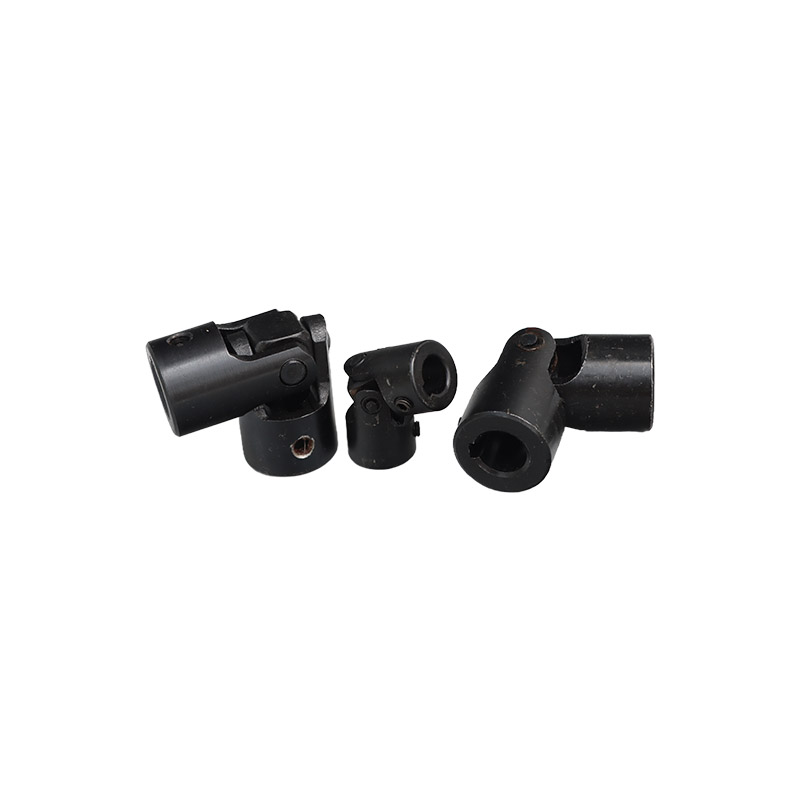
3. Core Industrial Value of Universal Joints
Industrial universal joint applications can be categorized into three major scenarios: precision micro-transmission, standard industrial transmission, and heavy-duty extreme transmission. Despite their simple mechanical structure, universal joints solve the most critical pain point of industrial power transmission: stable and efficient power delivery under non-coaxial, dynamic displacement, and variable load conditions, filling the technical gap of rigid transmission components.
From civilian automotive transmission and high-end precision manufacturing to heavy mining operations and marine port engineering, universal joints serve as invisible core joints supporting modern industrial machinery. Their outstanding condition adaptability, stable transmission performance, and low operation and maintenance costs make them irreplaceable general-purpose foundational components in industrial transmission systems.
4. Guide: How to Select the Right Industrial Universal Joint
The core principle of universal joint selection is condition matching. Operating parameters and environmental conditions vary drastically across application scenarios, requiring targeted model selection. Precision machine tools and testing instruments require high-precision flexible universal joints; metallurgical and mining heavy machinery requiresheavy-duty cross universal joints; marine and port equipment requires corrosion-resistant sealed universal joints; industrial robots and automated lines requirezero-backlash precision universal joints. Proper selection maximizes equipment operational efficiency, reduces failure rates, and extends the service life of mechanical and transmission systems.

 current location: Home > News > Encyclopedia
 Release time:2026-08-26
 page views:

 hq@hqcplg.com



 No. 188 Kunlun Road, Hongyun Development Zone, Qingyun County, Dezhou City, Shandong Province